
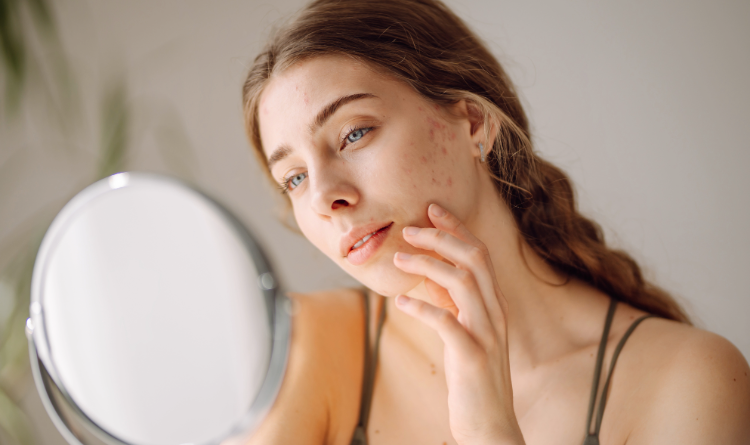
Is It Adult Acne or Something Else? How to Tell the Difference
Breakouts aren’t just a teenage problem. Many adults in their 30s, 40s, and beyond experience persistent or new skin changes — and they’re often surprised when their usual acne treatments don’t work.
The reason? Not all breakouts are actually acne.
Understanding the difference between adult acne, rosacea, perioral dermatitis, and hormonally driven breakouts is the first step toward clearer skin and effective treatment.
Why Adult Acne Is Different from Teenage Acne
Teenage acne is typically driven by increased oil production during puberty. It often affects the forehead, nose, and upper back and responds well to standard over-the-counter treatments.
Adult acne behaves differently. It tends to:
- Appear along the jawline, chin, and lower cheeks
- Flare around menstrual cycles or hormonal shifts
- Present as deeper, more painful cystic lesions
- Persist longer and leave discoloration or scarring
According to the American Academy of Dermatology (AAD), adult acne is increasingly common, especially in women, and often requires a different treatment approach than adolescent acne.
Because adult skin is less resilient than teenage skin, harsh scrubs and strong acne products can irritate the skin barrier and worsen inflammation.
Could It Be Rosacea Instead?
Rosacea is commonly mistaken for acne because it can include red bumps and pustules. However, rosacea is a chronic inflammatory condition, not a clogged pore issue.
Signs it may be rosacea:
- Persistent redness in the central face
- Flushing triggered by heat, alcohol, stress, or spicy foods
- Visible broken blood vessels
- Burning or stinging sensation
- Breakouts without blackheads
The National Rosacea Society notes that many patients initially treat rosacea as acne, which can delay proper management. Traditional acne treatments — especially benzoyl peroxide or strong retinoids — may worsen rosacea-related irritation.
Hormonal Acne vs. Stress-Related Breakouts
Hormonal acne typically:
- Appears along the chin and jawline
- Flares predictably during menstrual cycles
- Includes deep, tender cysts
Stress-related breakouts are linked to increased cortisol levels. Elevated stress hormones can stimulate oil production and inflammation, leading to sudden flare-ups even in people who don’t usually struggle with acne.
While both types may look similar, treatment can differ significantly. Hormonal acne may benefit from prescription medications that regulate hormone fluctuations, while stress-related breakouts often improve with anti-inflammatory topical therapies and lifestyle adjustments.
Why Over-the-Counter Treatments Sometimes Make It Worse
When breakouts persist, many people increase the strength or frequency of acne products. Unfortunately, this often backfires.
Overuse of acne treatments can:
- Strip the skin barrier
- Increase redness and peeling
- Trigger excess oil production
- Worsen rosacea or perioral dermatitis
The American Academy of Dermatology emphasizes that more aggressive treatment does not always mean better results. In fact, over-treating adult skin is one of the most common causes of chronic irritation.
If your skin feels tight, burning, or increasingly sensitive, it may be time to reassess your routine.
When to See a Dermatologist
Consider scheduling an appointment if:
- Breakouts persist despite consistent over-the-counter care
- You experience frequent redness or flushing
- Lesions are painful, cystic, or scarring
- You’re unsure whether it’s acne or another condition
- Your skin concerns are affecting your confidence
An accurate diagnosis is critical. Acne, rosacea, and dermatitis require different treatment plans — and using the wrong approach can prolong the problem.
At All Dermatology, we evaluate your skin type, triggers, medical history, and lifestyle factors to create a personalized treatment strategy. Clearer skin starts with understanding what’s truly causing your breakouts.

