Skin Cancer Treatment and Diagnosis
Skin cancers are malignant growths (tumors) that can occur on any part of the skin. They are most often caused by sun exposure. There are many forms of skin cancer, but there are three most common types.
- Basal cell carcinoma
- Squamous cell carcinoma
- Melanoma
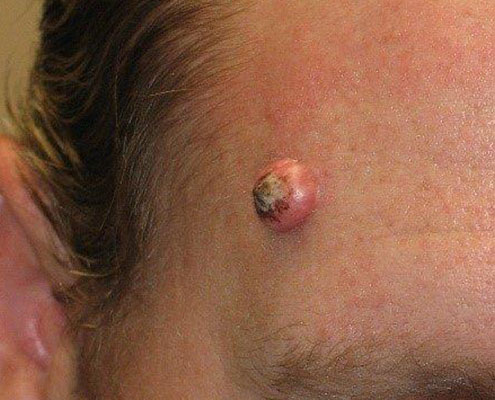
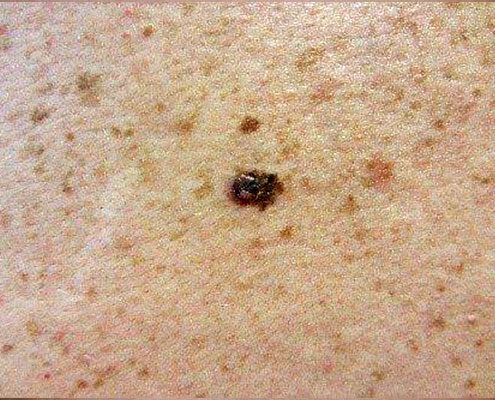
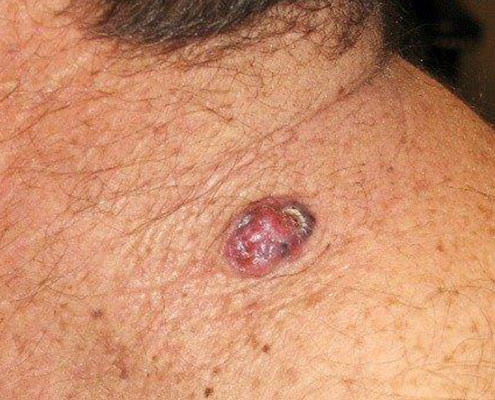
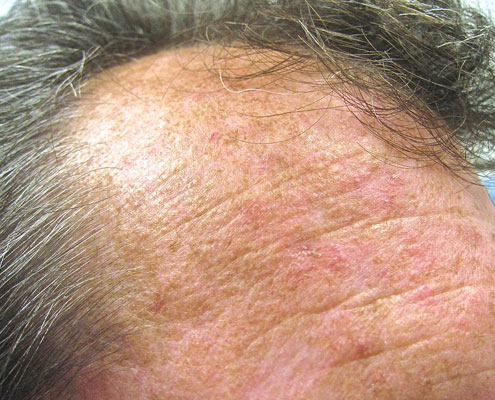
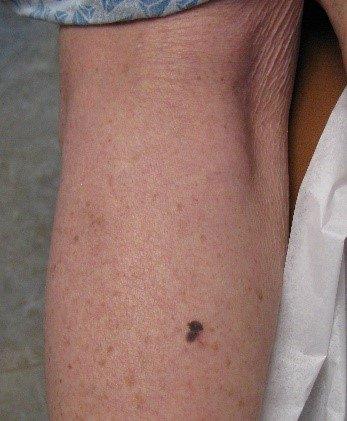
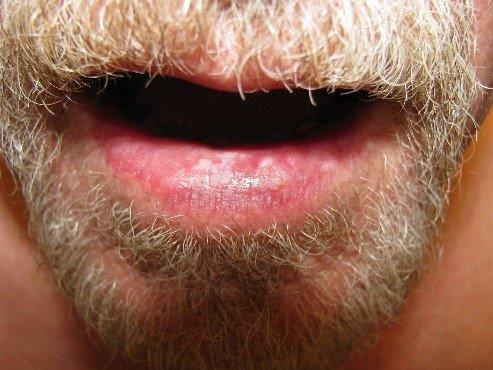
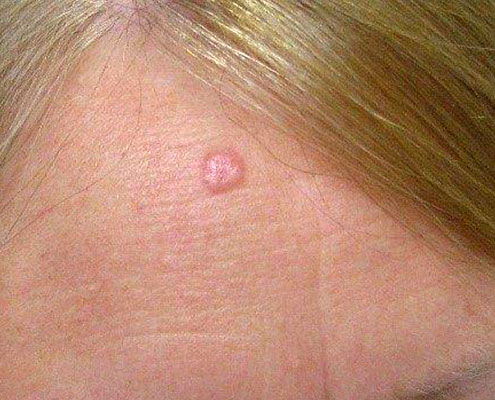
It’s important to differentiate between the three most common types of skin cancer: basal cell carcinoma, squamous cell carcinoma, and melanoma. Basal cell carcinoma typically appears as a raised, pearly bump and is often translucent in color. Squamous cell carcinoma may manifest as a scaly, red patch or a thick, elevated bump. On the other hand, melanoma is characterized by irregularly shaped moles or growths that can vary in color and size, often having an asymmetrical appearance.
While basal cell carcinoma and squamous cell carcinoma tend to be localized and have a higher likelihood of successful treatment when detected early, melanoma is the most aggressive form and can potentially spread to other parts of the body. Regular self-examinations and annual skin checks by our skilled dermatologists can aid in identifying any concerning changes and ensuring prompt intervention when needed. Our team is committed to providing thorough evaluations and personalized treatment plans for each type of skin cancer, prioritizing the best outcomes for our patients
New or changing skin growths should be examined by one of our dermatologists, as early detection and treatment will prevent a more serious problem from developing.
At our Arcadia/Phoenix, Surprise, and Peoria dermatology centers, we specialize in comprehensive skin cancer diagnosis and treatment. Our experienced team of dermatologists and surgeons is dedicated to identifying and addressing various forms of skin cancer, including basal cell carcinoma, squamous cell carcinoma, and melanoma. With a focus on early detection and personalized treatment plans, we are committed to providing the highest level of care for our patients.
Frequently Asked Questions For Skin Cancer
- Why is early detection of skin cancer important? Early detection of skin cancer is crucial as it allows for timely intervention and increases the chances of successful treatment. Regular skin checks by our experienced dermatologists can help identify any new or changing growths.
- How do dermatologists diagnose skin cancer? Our skilled dermatologists employ various methods to diagnose skin cancer, including visual examinations, dermoscopy, and biopsies. These diagnostic techniques enable accurate identification and proper classification of skin lesions.
- What treatment options are available for different types of skin cancer? Our dermatology and surgical experts offer a range of treatment options tailored to the specific type of skin cancer. These may include surgical excision, Mohs surgery, radiation therapy, and targeted therapies, among others.
- How can your dermatologists and surgeons help in skin cancer care? Our experienced team of dermatologists and surgeons specializes in diagnosing and treating various forms of skin cancer. From accurate diagnosis to personalized treatment plans, we are dedicated to guiding patients through their journey towards optimal skin health.
- What steps can I take to prevent these types of skin cancers? Protecting your skin from sun exposure is key in preventing these skin cancers. This includes wearing sunscreen with a high SPF, seeking shade, wearing protective clothing, and avoiding tanning beds. Regular self-examinations of your skin and scheduling annual skin checks with our dermatologists can also help detect any potential issues early, allowing for timely intervention and reducing the risk of more serious problems developing. Our team can provide personalized recommendations for prevention based on your specific needs and risk factors.
The Importance of Ongoing Skin Monitoring
After treatment for skin cancer, regular skin exams play a vital role in prevention and early detection. Individuals who have had one form of skin cancer are at a higher risk of developing another, making routine dermatologist visits essential. Early evaluation allows your provider to identify new or changing lesions before they progress, helping to maintain long-term skin health.
Self-Checks Between Appointments
In addition to professional screenings, monthly self-exams can help catch changes early. Examine your skin in natural light and use a mirror to view areas that are harder to see, such as the back, scalp, and legs. Watch for new moles, spots that change color or shape, or sores that do not heal. Keeping photos of your skin can also make it easier to spot subtle differences over time.
Sun Protection as Daily Prevention
Most skin cancers are preventable through consistent sun protection. Dermatologists recommend applying a broad-spectrum SPF 30 or higher every day, even on cloudy or cooler days. Protective clothing, wide-brimmed hats, and UV-blocking sunglasses can also minimize exposure. For those with fair skin or a history of sun damage, mineral sunscreens containing zinc oxide or titanium dioxide offer additional protection and are well tolerated by sensitive skin.
Healthy Lifestyle Habits for Skin Recovery
Post-treatment care goes beyond wound healing. Supporting overall wellness helps the skin recover and strengthens the immune system. A diet rich in antioxidants, staying hydrated, and avoiding tobacco all contribute to skin renewal. Patients should also limit alcohol consumption and maintain regular sleep patterns to promote the body’s natural repair processes.
Managing Emotional Wellbeing After Diagnosis
Receiving a skin cancer diagnosis can be stressful. Many patients experience anxiety about recurrence or cosmetic outcomes. At All Dermatology, our dermatologists emphasize education, clear communication, and compassionate follow-up care to support confidence during every step of recovery. Understanding your condition and how to protect your skin moving forward can help ease uncertainty and empower you to take an active role in prevention.
Trusted Dermatology Care
All Dermatology’s board-certified dermatologists provide comprehensive follow-up care, helping patients maintain healthy skin after treatment. From scar management to ongoing surveillance, each plan is designed to ensure both medical safety and cosmetic satisfaction.
Schedule Your Next Skin Exam
If you’ve been treated for skin cancer or want to establish preventive care, schedule a full skin evaluation. Routine monitoring and sun-safe habits are the best ways to stay proactive about your skin’s health.