All Dermatology
  • Skin Conditions
    + Procedures
  • Patient info
  • Physicians + Providers
  • Products
  • Locations
    • Glendale
    • Arcadia
    • Surprise
  • Blog
  • Patient Portal
  • Menu Menu
  • Link to Facebook
  • Link to Instagram

Actinic Keratoses Treatment
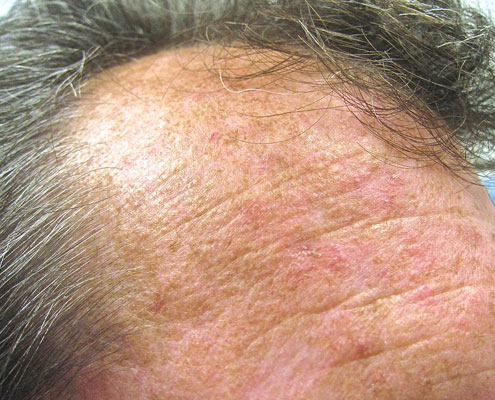
ACTINIC KERATOSES
Future FamDoc [CC BY-SA 4.0 (https://creativecommons.org/licenses/by-sa/4.0)], from Wikimedia Commons Info Info

Actinic Keratoses are scaly spots that usually appear on sun-exposed skin. They are considered “pre-cancers” and can eventually develop into squamous cell carcinomas. Most often, they are a sign of severe sun damage and indicate a much higher likelihood of developing skin cancer.

Treatment of actinic keratoses is usually recommended because of the risk of them evolving into cancer.

There are many ways to treat actinic keratoses. It is important to see one of our dermatology specialists on a regular basis to treat your actinic keratoses and perform an exam to look for skin cancers and other more serious issues. 

We specialize in providing expert care for actinic keratoses at all of our dermatology centers in Phoenix, Surprise and Peoria. Our dedicated dermatology specialists are experienced in diagnosing and treating these scaly spots, which are considered precursors to skin cancer. Recognizing the importance of early intervention, our team offers a range of advanced treatment options to address actinic keratoses and minimize the risk of progression to more serious conditions.

Frequently Asked Questions for Actinic Keratoses

  1. What are actinic keratoses, and why are they concerning? Actinic keratoses are scaly spots that can develop on sun-exposed skin, often indicating severe sun damage. As precursors to skin cancer, particularly squamous cell carcinomas, early treatment is recommended to prevent their progression.
  2. What are the treatment options for actinic keratoses? Our dermatology specialists offer a variety of treatment options for actinic keratoses, including cryotherapy, topical medications, chemical peels, and photodynamic therapy. These treatments are designed to eliminate or manage the precancerous lesions effectively.
  3. Why is it important to see a dermatology specialist for actinic keratoses? Dermatology specialists are trained to accurately diagnose and treat actinic keratoses. Regular visits to our centers ensure timely intervention and thorough skin examinations to detect any signs of skin cancers or other serious issues.
  4. Can actinic keratoses evolve into cancer if left untreated? Yes, actinic keratoses have the potential to develop into skin cancers, such as squamous cell carcinomas. Treating them promptly can significantly reduce the risk of their progression and the associated complications.
  5. How frequently should I see a dermatology specialist for actinic keratoses treatment? The recommended frequency of visits may vary based on individual factors. Our dermatology specialists will work with you to create a personalized treatment plan and schedule follow-up appointments to monitor and manage your condition effectively.

Protecting Skin After Treatment

After professional treatment for actinic keratoses, consistent skin protection is essential to prevent new lesions from forming. Because AKs develop from years of UV exposure, even small amounts of unprotected sun can contribute to new spots over time. Using a broad-spectrum sunscreen with SPF 30 or higher every morning—and reapplying throughout the day—helps protect against both UVA and UVB rays that cause cellular damage.

Monitoring for Changes

Patients who have had actinic keratoses should schedule regular dermatology visits for ongoing skin monitoring. New or changing spots, areas that bleed easily, or lesions that do not heal should be evaluated promptly. Early follow-up allows dermatologists to identify and treat any precancerous changes before they progress. Between visits, perform monthly self-checks to look for rough, scaly, or crusted areas on the scalp, face, ears, and arms—areas most often exposed to sunlight.

Skin-Friendly Lifestyle Habits

Dermatologists emphasize that preventing actinic keratoses involves more than sunscreen alone. Adopting a skin-healthy lifestyle supports repair and resilience. Recommendations include:

  • Wearing protective clothing such as long sleeves and wide-brimmed hats

  • Avoiding peak sun hours when UV intensity is highest

  • Using UV-blocking window film in your car or home if you spend extended time near windows

  • Maintaining a diet rich in antioxidants—found in fruits, vegetables, and green tea—to help reduce oxidative stress in skin cells

Post-Treatment Skin Care Tips

After cryotherapy, topical therapy, or other AK treatments, gentle care can speed healing. Avoid picking at treated areas, and use mild, fragrance-free cleansers. Applying a gentle moisturizer or petroleum-based ointment can soothe redness and dryness. Your dermatologist may also recommend specific healing creams to minimize irritation and support healthy new skin growth.

The Importance of Long-Term Prevention

Actinic keratoses can sometimes recur, especially in individuals with fair skin or a history of sunburns. Preventive measures like regular sunscreen use and yearly skin checks dramatically lower the risk of future lesions. Taking a proactive approach now helps maintain clear, healthy skin and reduces the likelihood of developing skin cancer later in life.

Trusted Dermatologic Care

At All Dermatology, our dermatologists provide more than just treatment—they offer ongoing guidance for lifelong skin health. Through regular monitoring and patient education, our team helps patients reduce recurrence, detect concerns early, and feel confident in maintaining sun-safe habits year-round.

Skin Cancer

  • Melanoma Removal and TreatmentNovember 15, 2018 - 12:31 am
  • Squamous Cell Carcinoma Treatment and Skin Cancer RemovalNovember 15, 2018 - 12:27 am
  • Skin Cancer Diagnosis and TreatmentNovember 14, 2018 - 4:37 pm
  • Basal Cell Skin Cancer TreatmentSeptember 25, 2018 - 2:40 am
  • Future FamDoc [CC BY-SA 4.0 (https://creativecommons.org/licenses/by-sa/4.0)], from Wikimedia Commons
    Actinic Keratoses TreatmentMay 12, 2016 - 1:00 pm

Skin Health

  • Acne TreatmentNovember 19, 2025 - 8:36 am
  • RosaceaSeptember 25, 2018 - 2:28 am
  • Excessive Sweating TreatmentSeptember 25, 2018 - 2:05 am
  • Sun ProtectionSeptember 25, 2018 - 2:03 am
  • Shingles Treatment and Post-Herpetic Neuralgia ReliefSeptember 25, 2018 - 2:01 am
  • Seborrheic Keratoses Treatment and RemovalSeptember 25, 2018 - 2:00 am
  • FungusSeptember 25, 2018 - 1:58 am
  • Rash Diagnosis and TreatmentSeptember 25, 2018 - 1:56 am
  • Molluscum Treatment and CareSeptember 25, 2018 - 1:54 am
  • Psoriasis TreatmentSeptember 25, 2018 - 1:52 am
  • Eczema TreatmentSeptember 25, 2018 - 1:49 am
  • Dermatitis TreatmentSeptember 25, 2018 - 1:48 am
  • Wart Removal and TreatmentSeptember 25, 2018 - 1:44 am
  • Mole Removal and TreatmentSeptember 25, 2018 - 1:40 am
  • Acne TreatmentSeptember 25, 2018 - 1:31 am

Laser and Cosmetic

  • BlepharoplastyOctober 23, 2024 - 5:44 pm
  • SkinPen / Micro-needlingJune 18, 2021 - 11:05 pm
  • FillersNovember 27, 2018 - 10:42 pm
  • Botox + Dysport + DaxxifyNovember 27, 2018 - 10:40 pm
  • Chemical PeelsSeptember 25, 2018 - 2:43 am
  • Sclerotherapy and Vein TreatmentSeptember 25, 2018 - 2:32 am
  • Laser TreatmentsSeptember 25, 2018 - 2:23 am

LOCATIONS

BILTMORE/ARCADIA
4400 N 32nd St
Suite 250
Phoenix, Arizona 85018
602-277-7686
email us

ARROWHEAD
6320A West Union Hills Drive
Suite 210
Glendale, Arizona 85308
623-376-7600
email us

SURPRISE
14239 West Bell Road
Suite 101
Surprise, Arizona 85374
623-544-7755
email us

MENU

  • Skin Conditions
    + Procedures
  • Patient info
  • Physicians + Providers
  • Products
  • Locations
    • Glendale
    • Arcadia
    • Surprise
  • Blog
  • Patient Portal

Follow us on Facebook

Email Signup

Book Appointment

Same day appointments are often available.

Call 623-544-7755 or 

BOOK NOW

Make a Payment

PAY ONLINE
© 2023 All Dermatology
  • Link to Facebook
  • Link to Instagram
Link to: Acne Treatment Link to: Acne Treatment Acne Treatment
Scroll to top Scroll to top Scroll to top