Basal Cell Carcinoma Treatment and Removal
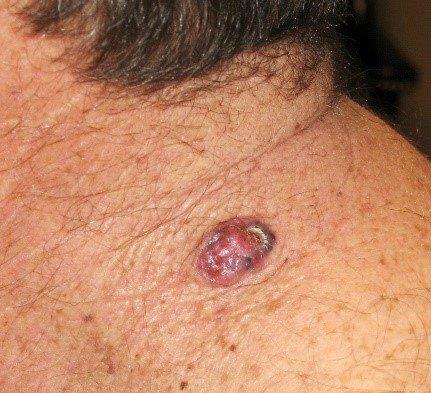
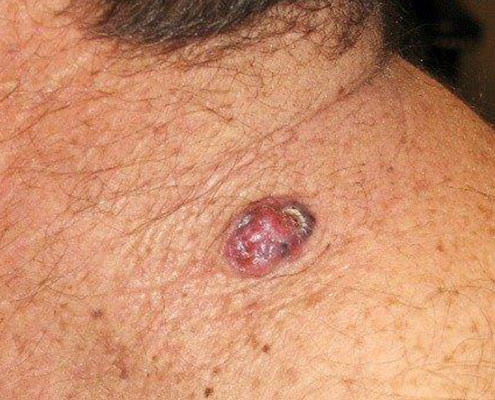
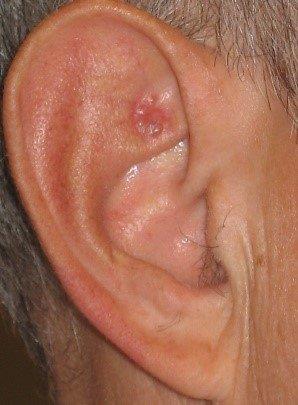
Basal cell carcinoma (BCC) is the most common type of cancer in humans. It results from the uncontrolled growth of the cells that line the base of the outer layer of the skin. It is most common on the face, ears, nose, chest and back. It is most common in older people but can occur in young adults. It is most often caused by sun exposure, sun burns and tanning bed use. It may also occur from radiation treatments, a poor immune system and other injuries to the skin. Basal cell carcinoma rarely spreads to other areas of the body, but it can burrow into muscles, nerves, and bone in the areas near where it develops and can cause significant disfigurement and damage if left untreated. Basal cell tumors indicate an increased risk for other types of skin cancer.
If treated, most basal cell cancers are completely curable. If one is suspected, a dermatologist will do a biopsy by taking a piece of the tumor and examining it under a microscope. Treatments include: simple surgical excision, Mohs surgery, surgical skin scraping, radiation, or the application of prescription medical creams.
Our state-of-the-art dermatology facilities in Arcadia/Phoenix, Surprise, and Peoria are at the forefront of offering advanced treatment and removal solutions for basal cell carcinoma. With a focus on innovation and patient-centered care, our dedicated dermatologists are committed to providing cutting-edge options tailored to address basal cell carcinoma effectively. From precise diagnostics to personalized treatment strategies, we strive to deliver the highest quality care and outcomes.
Frequently Asked Questions for Basal Cell Carcinoma Treatment
- What are the treatment choices for basal cell carcinoma? Our dermatology experts offer a range of effective treatment options for basal cell carcinoma, including surgical excision, Mohs surgery, radiation therapy, and topical prescription creams. The treatment chosen depends on factors such as the tumor’s size, location, and patient preferences.
- Can basal cell carcinoma cause damage if left untreated? Yes, if left untreated, basal cell carcinoma can infiltrate nearby tissues like muscles, nerves, and bone, leading to disfigurement and damage. Timely treatment is crucial to prevent complications and ensure successful outcomes.
- Is basal cell carcinoma only caused by sun exposure? While sun exposure is a primary factor, basal cell carcinoma can also develop due to radiation treatments, immune system deficiencies, and skin injuries. Our dermatologists consider all potential causes when diagnosing and planning treatment.
- How curable is basal cell carcinoma with proper treatment? Most cases of basal cell carcinoma are completely curable when detected and treated in a timely manner. Our experienced dermatologists prioritize early intervention to maximize curative outcomes.
- What role does Mohs surgery play in basal cell carcinoma treatment? Mohs surgery is a highly precise technique used to remove basal cell carcinoma while preserving surrounding healthy tissue. This method is particularly effective for tumors in cosmetically sensitive areas, ensuring optimal results.
Post-Treatment Skin Care
After surgical or nonsurgical removal, gentle wound care helps the skin heal cleanly and minimize scarring. Patients should keep the treated area clean, avoid harsh soaps or exfoliants, and apply any prescribed ointments as directed. Protecting healing skin from the sun is critical; even mild UV exposure can cause irritation or pigment changes. Wearing a broad-spectrum SPF 30 or higher and covering the area when outdoors will help ensure the best cosmetic result.
Regular Skin Exams
A history of basal cell carcinoma increases the likelihood of developing additional skin cancers. Routine dermatology visits—typically every six to twelve months—allow early detection of any new or changing lesions. Your dermatologist may also recommend monthly self-checks at home to monitor for unusual spots, scars that appear raised, or sores that don’t heal.
Preventing Recurrence
Sun protection remains the most effective way to prevent further skin damage. In addition to daily sunscreen use, seek shade during midday hours and wear wide-brimmed hats and UPF-rated clothing when spending time outdoors. Avoid tanning beds entirely, as they can emit higher levels of UVA radiation than natural sunlight.
Healthy lifestyle choices also support long-term skin health. Staying hydrated, eating antioxidant-rich foods, and avoiding tobacco can strengthen the skin’s ability to repair itself.
Emotional and Cosmetic Recovery
Even though basal cell carcinoma rarely spreads, the experience of skin cancer can be emotionally challenging. Some patients may feel self-conscious about post-surgical marks or anxious about recurrence. Our dermatologists take time to discuss both cosmetic concerns and emotional reassurance, offering guidance on scar treatment options and ways to rebuild confidence.
Comprehensive Dermatology Support
All Dermatology provides thorough follow-up care for patients who have undergone basal cell carcinoma treatment. Our providers emphasize education, prevention, and long-term monitoring so you can maintain peace of mind and healthy skin for years to come.
Schedule a Follow-Up Appointment
If you’ve recently had basal cell carcinoma removed or notice a new area of concern, schedule a skin evaluation. Early detection and proactive care remain the best defense against recurrence and ensure optimal healing outcomes.