
Fungus Diagnosis and Treatment
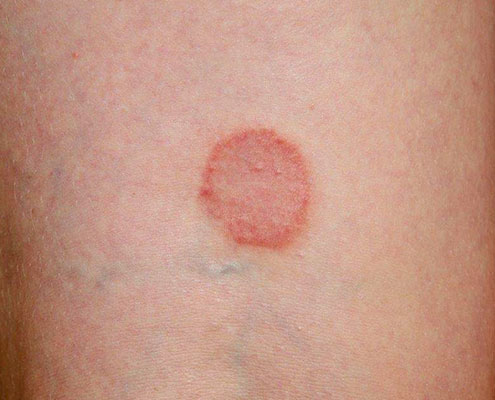
Fungus infections of the skin are extremely common, especially in the hot sweaty climate of the desert. Fungus is present everywhere in our environment and can easily infect the skin of even the cleanest person.
It is often known as “jock itch” or “athlete’s foot” and frequently causes problems with fingernails and toenails. Fungus can also cause skin rashes that aren’t so obvious.
Fortunately, fungal infections of the skin and nails are relatively easy to diagnose and treat.
However, it often requires a skilled dermatologist with the right experience and tools to do this, so it is important to schedule an evaluation.
At our dermatology centers across the valley, we specialize in diagnosing and treating fungal infections of the skin and nails. Our experienced dermatologists possess the expertise and advanced tools required to accurately diagnose these infections and provide effective treatments tailored to each patient’s needs.
Frequently Asked Questions For Fungal Infection
- What are the common signs of a fungal skin infection? Fungal skin infections often present as red, itchy, and sometimes painful rashes. Affected areas might show scaling, cracking, or peeling of the skin, commonly seen in conditions like “jock itch” or “athlete’s foot.”
- Can fungal infections affect nails? Yes, fungal infections can extend to the nails, leading to changes in nail color, texture, and shape. Our dermatologists offer specialized treatments for both skin and nail fungal infections.
- How are fungal skin infections diagnosed? Our skilled dermatologists utilize a combination of clinical evaluation and, if necessary, laboratory tests to diagnose fungal skin infections accurately. This ensures an effective treatment plan is tailored to each patient’s specific condition.
- What treatment options are available for fungal infections? We offer a range of treatment options, including topical antifungal medications, oral medications, and advanced laser therapies for fungal nail infections. Our dermatologists will recommend the most suitable approach based on the severity and type of infection.
- Is professional evaluation necessary for fungal infections? While some over-the-counter treatments exist, a skilled dermatologist’s evaluation is essential to accurately diagnose the infection and prescribe the most effective treatment. Our experienced team ensures timely and comprehensive care for optimal outcomes.
Recognizing Fungal Skin Infections
Fungal infections are common and can affect various areas of the skin, including the feet, nails, scalp, and body. While often mild, they can spread or persist without proper care. Because fungal conditions can resemble eczema or psoriasis, dermatologist evaluation ensures an accurate diagnosis and the right treatment plan.
Common Fungal Conditions
Some of the most frequent infections treated at All Dermatology include:
- Athlete’s foot (tinea pedis) – typically causes itching or peeling between the toes.
- Ringworm (tinea corporis) – appears as circular, red, scaly patches on the body.
- Fungal nail infections (onychomycosis) – lead to discoloration, pain or thickening of toenails or fingernails.
- Yeast infections (candida) – often occur in moist skin folds.
Effective and Targeted Treatment Options
Treatment depends on the location and severity of infection. Our dermatologists may recommend antifungal creams, medicated shampoos, or oral medications for deeper infections. Keeping the skin clean, dry, and ventilated also helps prevent future outbreaks.
Preventing Recurrence
After successful treatment, simple preventive habits can reduce the risk of reinfection:
- Change socks daily and wear breathable shoes
- Avoid sharing personal items such as towels or razors
- Use antifungal powders and creams if prone to athlete’s foot
- Wash gym gear and towels regularly
Expert Dermatology Care in the Phoenix Area
At All Dermatology, we specialize in identifying and treating fungal skin conditions quickly and effectively. With convenient offices in Arcadia, Glendale, and Surprise, our dermatologists provide compassionate, discreet care for patients of all ages.

