
Psoriasis Treatment
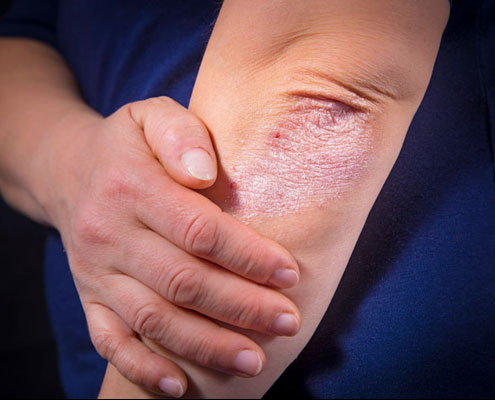
Psoriasis is a chronic inflammatory skin condition that causes red and scaly plaques (thickened skin) that affects a significant number of people. It can be mild to severe and can have a major impact on a person’s life. It can also cause severe joint disease that can be crippling. In the past, treatment has been frustrating and, often, messy and troublesome.
Very effective new treatments are available that can completely clear all the skin and joint disease and allow you to return to a normal life.
Discover relief from the challenges of psoriasis with our advanced treatment solutions offered across our Arcadia/Phoenix, Surprise, and Peoria dermatology centers. Our dedicated dermatologists are well-versed in the latest treatments, ensuring effective solutions that can clear both skin and joint symptoms, helping you regain control of your life.
Psoriasis Treatment Frequently Asked Questions
- What treatment options are available for psoriasis? Our dermatology centers provide a range of innovative psoriasis treatment options, including topical therapies, phototherapy, systemic medications, and biologic agents, all tailored to alleviate symptoms and promote clear skin.
- Can psoriasis be completely treated to achieve clear skin? Yes, with our advanced treatments, achieving clear skin from psoriasis is attainable. Our dermatologists specialize in tailoring treatment plans to target both skin and joint symptoms, helping you experience significant relief.
- How do your treatments differ from traditional approaches for psoriasis? Our dermatologists prioritize the latest, highly effective treatments that go beyond the traditional approaches. We focus on treatments that address the root causes of psoriasis, resulting in better symptom control and the potential for clear skin.
- Is joint disease associated with psoriasis treatable as well? Absolutely. Our comprehensive psoriasis treatment plans encompass joint disease management alongside skin-focused treatments. We aim to improve overall quality of life by alleviating joint pain and skin symptoms.
- What should I expect during a consultation for psoriasis treatment? During your consultation, our dermatologists will assess the severity of your psoriasis, discuss your treatment goals, and formulate a personalized plan to achieve clear skin. We’re here to guide you through the process toward lasting relief.
Advanced and Supportive Treatment Options
While psoriasis cannot be cured, it can be well controlled with consistent medical care. Dermatologists at All Dermatology develop personalized treatment plans that may include topical medications, oral or injectable treatments, and supportive skincare routines. Regular follow-up appointments ensure your therapy continues working effectively and safely.
Because psoriasis can vary in severity over time, having access to multiple threatment options allows your provider to adjust your care plan as needed. The goal is to reduce inflammation, minimize scaling, and help you feel confident in your skin again.
Understanding the Chronic Nature of Psoriasis
Psoriasis is more than a surface-level skin condition—it’s a chronic autoimmune disorder that causes the body to produce skin cells too quickly. This leads to scaling, redness, and inflammation that can flare up unexpectedly. Because it’s a long-term condition, ongoing care from a board-certified dermatologist is the most effective way to reduce or eliminate symptoms and maintain clear, comfortable skin.
Identifying Common Triggers
Every patient’s experience with psoriasis is different. Understanding what triggers your flare-ups helps manage symptoms more effectively. Common triggers include:
- Stress or lack of sleep
- Cold or dry weather
- Certain medications
- Skin injuries or sunburn
- Infections or illnesses
Your dermatologist can help you identify these patterns and build a plan that keeps your skin calm and balanced year-round.
Living with Psoriasis: Daily Management Tips
Managing psoriasis involves more than medication—it’s also about lifestyle and self-care. Our dermatologists often recommend:
- Applying gentle, fragrance-free moisturizers to prevent dryness.
- Avoiding long, hot showers that can irritate the skin.
- Using mild cleansers free from dyes and alcohol.
- Protecting your skin from injury or excessive sun exposure.
- Finding stress management techniques such as mindfulness or yoga.
These steps help extend the time between flare-ups and improve overall comfort.

